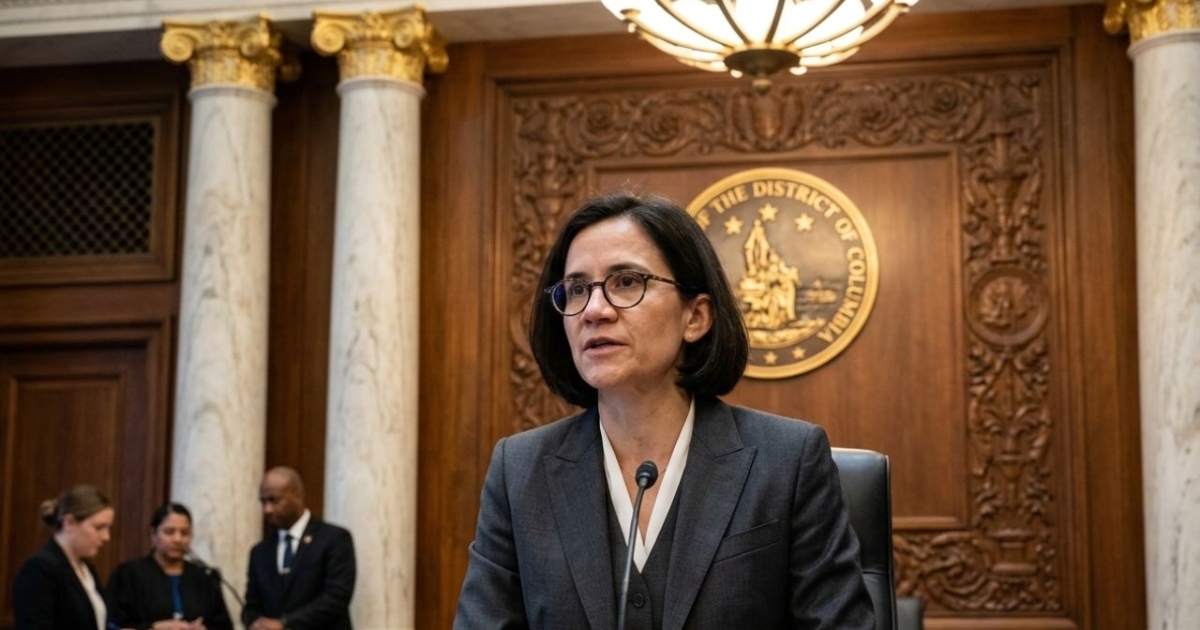
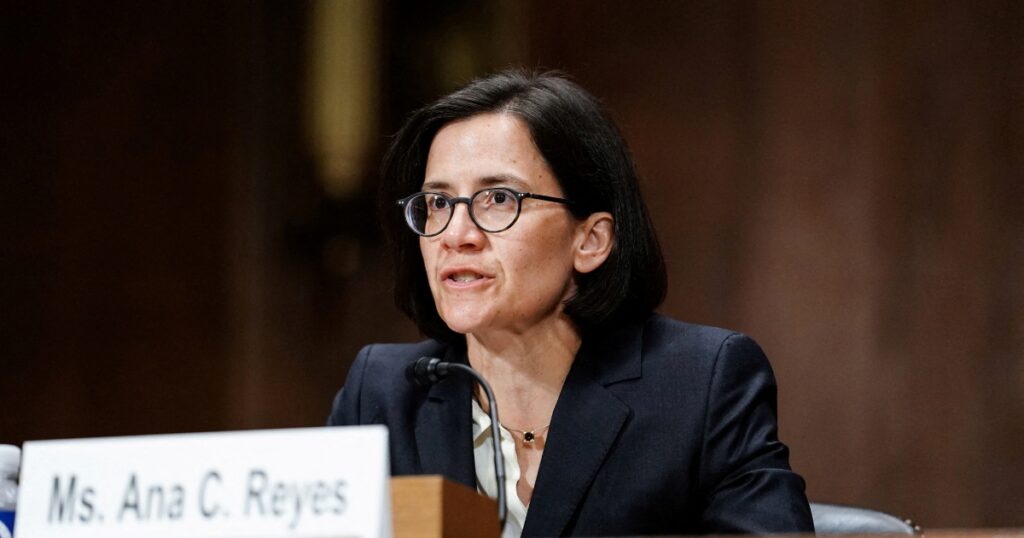
Ana reyes misconduct complaint dismissal was a landmark in judicial oversight and civil rights litigation. In November 2025, the U.S. Court of Appeals of the District of Columbia Circuit Chief Judge Sri Srinivasan gave a misconduct complaint submitted by DOJ against U.S. District Judge Ana C. Reyes. This ruling followed the arguments on a case challenging the executive order of 2025 that excluded transgender persons to serve in the military. Cases such as this shed light on judicial independence, ethical aspects, and how to resolve allegations of bias without compromising ongoing litigation. The ruling directly affects legal professionals, policymakers, and transgender service members.
Background & Legal Context
The complaint to Judge Ana Reyes was based on Talbott v. Trump, a case that appealed the Executive Order 14183, reinstated a ban on transgender military service. Historically, transgender service policies have been changeable:
- 2016: Open service was permitted by the Obama administration.
- 2017: Trump tried a ban, which was prohibited by the courts.
- 2021: Biden rescinded the ban.
- 2025: Trump lifted a ban, and the litigation was reinstated.
In a hearing on February 18-19, 2025, Judge Reyes chaired the case. The complaint filed by the DOJ claimed that the Code of Conduct was breached in the U.S. Judges, citing inappropriate comments and exercises that supposedly undermined the dignity of attorneys.
Key Legal Issues Explained
The ana reyes misconduct complaint dismissal depends on judicial ethics and the proper way to handle perceived bias:
- Canon 2A: Judges should act with integrity and impartiality.
- Canon 3A(3): Judges must treat litigants and attorneys with patience, dignity, and respect.
- Canon 3A(4): All parties must be heard without intimidation.
The DOJ’s allegations included:
- Rude language based on hypothetical religious situations.
- Giving a lawyer instructions to act as a “physical prop.”
However, judicial precedent (Liteky v. United States, 510 U.S. 540, 1994) clarifies that isolated disapproval or impatience is not misconduct unless prejudice prevents fair judgment.
Latest Developments
The ana reyes misconduct complaint dismissal was finalized on September 29, 2025, with public disclosure on November 24, 2025.
Key points:
- Litigation impartiality concerns should be addressed through recusal motions.
- Misconduct proceedings cannot substitute appeals or recusal requests.
- No determination on the underlying case; dismissal was procedural under Rule 11(c)(1)(G).
- Judge Reyes simultaneously issued a preliminary injunction halting the transgender military ban to protect constitutional rights under the Fifth Amendment’s Equal Protection Clause.
Affected Groups & Implications
The ana reyes misconduct complaint dismissal impacts multiple groups:
- Judiciary: Prevents collateral attacks on judicial independence.
- Government Agencies: DOJ and other litigants should pursue formal recusal instead of misconduct complaints.
- Transgender Service Members: Nearly 8,000–15,000 troops remain protected during litigation.
- Public & Institutions: Ensures legal accountability and maintains military readiness without discrimination.
What This Means Going Forward
This dismissal demonstrates the need to separate ethical oversight from case strategy. Misuse of misconduct complaints cannot undermine judicial independence, while structured recusal processes maintain fairness and integrity. The ruling provides precedent for policymakers, legal observers, and affected communities, influencing how allegations of judicial bias are handled in politically sensitive cases.
Frequently Asked Questions
What is the reason why the DOJ filed a complaint against Judge Ana Reyes?
The DOJ cited unfriendly questioning, inappropriate language, and using an attorney as a prop during hearings on the transgender military ban.
Why was the ana reyes misconduct complaint dismissal approved?
Chief Judge Srinivasan ruled that recusal motions, not misconduct proceedings, were the proper mechanism to address impartiality concerns.
What is the status of the transgender military ban?
It remains enjoined nationwide under a preliminary injunction granted by Judge Reyes, safeguarding service members during litigation.
Can the DOJ appeal this dismissal?
Dismissals under judicial conduct rules are generally final; however, recusal or appellate review in the underlying case is possible.
How does this relate to broader judicial ethics?
It reinforces judicial ethical principles, showing that isolated judicial remarks do not constitute misconduct unless bias prevents a fair trial.
Conclusion
The ana reyes misconduct complaint dismissal exemplifies judicial safeguards against improper challenges while protecting ongoing litigation and civil rights. Emphasizing recusal motions over collateral complaints strengthens public trust and upholds constitutional protections.