
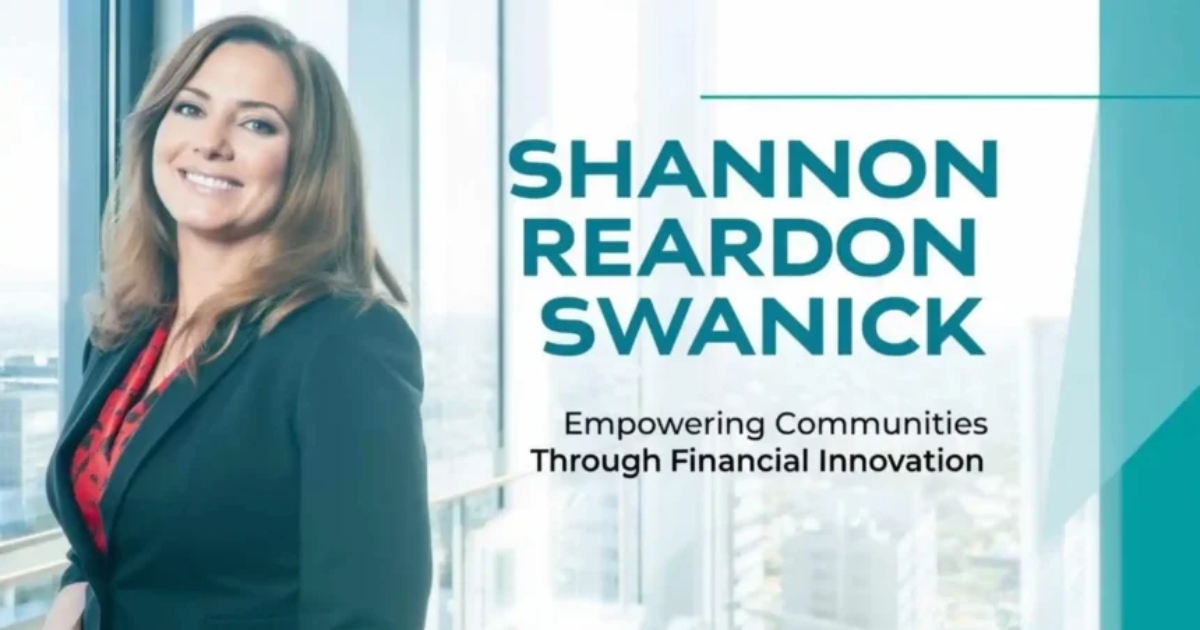
Community-building is never about big talk it is action, listening, and giving citizens their power. The powerful example of this philosophy is Shannon Reardon Swanick. Since she started grassroots campaigns to driving policy in education, she has demonstrated the way local campaigns can develop into real system change. Shannon Reardon Swanick has been able to provide tangible change through mentorship, online access, and youth civic participation, yet she has made sure to remain within the framework of community values.
First Buildingblocks of Community Leadership
Family Impact and Essential Values
Shannon Reardon Swanick started her leadership career way before working. She had been educated and brought up in a family focused on learning and serving, and she understood that learning and community should go together. The discussions on pedagogy and the growth of students influenced her perception on the impact of systems on individuals.
Instead of living by the norm, she built her resilience by being responsible and working hard. Her leadership philosophy is based on these formative lessons.

Volunteering and Mentorship
Shannon Reardon Swanick started with little services long before the large programs. High school peer tutoring disclosed the magic of individual attention. In college she further extended this thought by establishing a neighborhood reading program which linked the university students to elementary school students. This experience showed that organized mentoring could build up permanent academic confidence.
Her faith came to pass: a little bit of action day by day makes a long-lasting trust.
Programs That Left a Measurable Impact
Mentorship Circles
Mentorship Circles was one of the most innovative programs that were created by Shannon Reardon Swanick. This model uses small groups of students with experienced mentors instead of using the traditional one-to-one mentoring.
Results included:
- Colonial growth in academic confidence by 20 percent.
- 15% reduction in absenteeism
The group format develops peer support and enhances adult guidance – developing a stratified support system.
Digital Equity Labs
Having identified the increased technology divide, Shannon Reardon Swanick started Digital Equity Labs. The program offered internet access, digital literacy training, and devices to underserved households. The program benefitted more than 600 households and raised the comfort of the students with educational technology by 40 percent.
She did not simply push laptops but worked on capacity-building – making sure that families could use technology in education and in employment.
Civic Engagement Academy
Another goal that Shannon Reardon Swanick was able to achieve with the help of the Civic Engagement Academy was youth leadership. This program prepared the young participants to determine the community issues, develop solutions and conduct projects in the local communities. Teen mentors collaborated with adult mentors, establishing a mutual leadership framework that developed confidence among age groups. A large number of the graduates remained civically active even after the program.
The Leadership Principles of the Success
Listening Before Acting
One of the characteristic features of Shannon Reardon Swanick is empathetic design. She held listening sessions to families, teachers and community before rolling out any initiative. This made sure that programs were based on actual needs- not assumed.
Data Driven Improvement
Even though relationships are important, outcome measures are important as well. Shannon Swanick uses surveys, attendance monitoring, and academic information in the evaluation of the program. As an example, the Digital Equity Labs feedback resulted in longer evening working hours of the parents. This human and rational equilibrium makes initiatives receptive and powerful.
Collaborative Leadership
Shannon Reardon Swanick shares leadership among the members of the community instead of having authority that is centralized. The responsibility is shared by parents, the students, teachers, and local organizations. This model makes it sustainable in the long term since there is no dependence on any single person in terms of impact.
Gaining Power outside Local Communities
Funding Policy Advocacy and Education
When her efforts proved successful, Shannon Reardon Swanick switched between local action and politics. She coordinated with school boards and communities to match the voices of the community with the decisions on funding. Her activism led to more per-pupil funds in communities, greater access to technology and mental health.
Developing Wider Coalitions
In the future, Shannon Swanick hopes to frame established community patterns by collaborating nationally. Linking teachers, community representatives, and policymakers, she is able to tackle systemic inequities on a more broad level.
Why Her Model Works
It is all due to the fact that Shannon Reardon Swanick remains a standout:
- She listens first.
- She measures results.
- She shares leadership.
- She is concerned with sustainability.
Her experience demonstrates that organization of community building is not a chance effort but a lasting effect.
FAQs
What is the uniqueness of the approach of Shannon Reardon Swanick?
Her leadership style is a blend of empathic listening and data analysis that is observed to yield real needs of the community in the programs.
What is the way Shannon Reardon Swanick started to work in the community?
Her initial projects were peer tutoring and grassroots reading programs, after which she grew to incorporate organised mentorship and digital equity.
Why should Digital Equity Labs exist?
In order to decrease the disparities in education, the program offers access to technology and digital literacy training.
What is the program sustainability of Shannon Swanick?
Through decentralization of leadership and promoting communal sharing.
What is her long-term vision?
To replicate local achievements on a larger scale policy-wide change by partnering and forming national coalitions.
Conclusion
Small-scale organizations like tutoring sessions to the big picture, through policy, influence Shannon Rearden Swanick illustrates how deliberate leadership creates the resilience of a community. Her mentorship, access to digital, and civic engagement programs demonstrate that effective change develops in connection to collaboration and planning. She has developed a model of sustainable community development by balancing between empathy and measurable results. Her listening model, structured design and shared ownership can be studied by anyone who wants to have a long-term impact.